

Know what a card is worth before you say a price out loud.
Cardinal prices a card from real sold listings, keeps track of everything you own and what you paid for it, and works out the deal while the customer is still standing in front of you.
A price you can say out loud and stand behind.
Cardinal reads what cards like yours have actually sold for — eBay sold listings, TCGplayer, Cardmarket and Trade Me here at home — and weighs them into one number in your own currency. Condition, edition, language and the grade on the slab all change it, and you can see every figure that went into the answer. When a customer asks why, you have something better than a feeling.
Charizard · Base Set · Near Mint
$1,411
Market value, from real sold prices
Everything you own, with the money attached.
Every card you buy goes in once — scanned with your phone or found by name — and from then on you can see what you paid, what it's worth today and what you'd make if it sold this afternoon. Singles, sealed boxes, graded slabs and Japanese cards all live in the same place, so you can stop keeping the real numbers in your head and in three spreadsheets.
$5,579
Paid
$7,971
Worth now
42.9%
Margin · +$2,392
Umbreon VMAX
Evolving Skies · Near Mint
$1,860
+40.8%
Charizard
Base Set · Lightly Played
$2,360
+49.0%
Giratina VSTAR
Near Mint · 3 held
$1,450
+22.1%
Charizard ex
PSA 10
$940
+26.2%
The whole deal, worked out while you're still talking.
Put their cards on one side and yours on the other and the trade rebalances itself with every card you add, right down to the cash needed to settle it. Flip to the customer view and they see the values without your cost or your margin. When you agree, take the money in the same app — cash, card, trade credit or a bit of each — and the takings you see are already after fees.
They give
$1,980
You give
$1,740
They pay you
to even the trade up
$240
Cash, card, trade credit or a mix — the takings are already after fees.
Your rules, applied the same way every time.
Most vendors carry their buying rules around in their head, which works fine until someone else is behind the counter or it's the end of a long show. Set yours once — what you pay in cash, what you pay in credit, what you sell for, and how much less a played card is worth — and every offer Cardinal makes follows them. Change your mind and the whole shop changes with you.
Charizard · Base Set · Near Mint
$1,411
worth today
Change a percentage in your settings and every offer in the shop moves with it.
At the end of the month, the answers are just there.
How much money is tied up in stock, what it's worth now, what you actually made after fees, which cards are sitting too long — none of it needs an evening with a spreadsheet. It's the reason we built this in the first place.
$5,579
Tied up in stock
$7,971
Worth today
42.9%
Margin
$1,213
Made this month, after fees
Not ready to try it? Start with the guides.
Everything we've learned about valuing, buying and selling cards, written plainly and free to read — whether you run a shop or you're selling one collection.
Raw, graded, sealed and Japanese all live in the same inventory.
Most tools handle English singles and leave you to keep the rest in your head, which is usually where the money is.
Raw singles
Priced against the condition you actually have, from near mint down to damaged.
Graded slabs
PSA, BGS, CGC and the rest, with grade held separately from the card.
Sealed product
ETBs, boxes, bundles and tins, tracked by quantity and unit cost.
Japanese
Japanese sets matched to Japanese feeds, listed under the English name.
Charizard · Base Set
$1,860.00
Every number, showing its working.
Nothing in Cardinal is a black box. Pick any card and you get the comps behind the value, your buying percentages, the fees, and what is actually left.
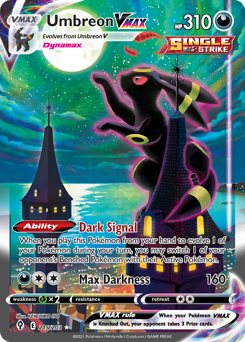
Umbreon VMAX
Evolving Skies · 215/203 · English
- You paid
- $1,250.00
- Market value today
- $1,860.00
- Unrealised margin
- +48.8%
Cardinal keeps this side of every card up to date.
- Market
- $1,860.00
- You pay
- $1,250.00
- Projected net
- $451.06
- ROI
- 36.1%
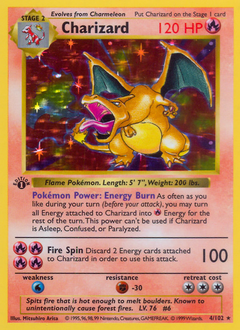
Charizard
Base Set · 4/102 · English
- You paid
- $1,450.00
- Market value today
- $2,400.00
- Unrealised margin
- +65.5%
Cardinal keeps this side of every card up to date.
- Market
- $2,400.00
- You pay
- $1,450.00
- Projected net
- $748.40
- ROI
- 51.6%

Charizard ex
151 · 199/165 · English
- You paid
- $690.00
- Market value today
- $940.00
- Unrealised margin
- +36.2%
Cardinal keeps this side of every card up to date.
- Market
- $940.00
- You pay
- $690.00
- Projected net
- $163.74
- ROI
- 23.7%
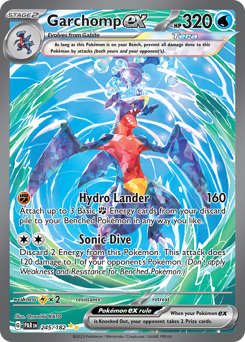
Garchomp ex JP
Paradox Rift · 245/182 · Japanese
- You paid
- $205.00
- Market value today
- $310.00
- Unrealised margin
- +51.2%
Cardinal keeps this side of every card up to date.
- Market
- $310.00
- You pay
- $205.00
- Projected net
- $68.51
- ROI
- 33.4%

Destined Rivals ETB
Scarlet & Violet, sealed
Destined Rivals ETB
Scarlet & Violet, sealed · English
- You paid
- $96.00
- Market value today
- $145.00
- Unrealised margin
- +51.0%
Cardinal keeps this side of every card up to date.
- Market
- $145.00
- You pay
- $96.00
- Projected net
- $25.54
- ROI
- 26.6%

Mega Meganium ex Box
Ascended Heroes, sealed
Mega Meganium ex Box
Ascended Heroes, sealed · English
- You paid
- $52.00
- Market value today
- $78.00
- Unrealised margin
- +50.0%
Cardinal keeps this side of every card up to date.
- Market
- $78.00
- You pay
- $52.00
- Projected net
- $7.84
- ROI
- 15.1%
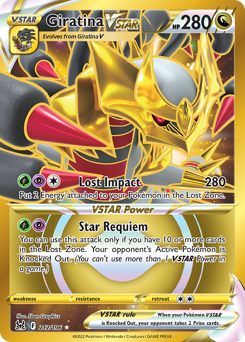
Giratina VSTAR
Lost Origin · 212/196 · English
- You paid
- $252.00
- Market value today
- $260.00
- Unrealised margin
- +3.2%
Cardinal keeps this side of every card up to date.
- Market
- $260.00
- You pay
- $252.00
- Projected net
- -$24.54
- ROI
- -9.7%
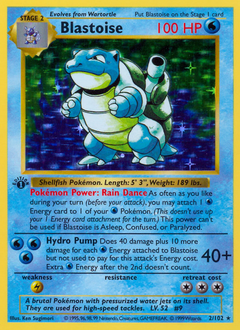
Blastoise
Base Set · 2/102 · English
- You paid
- $400.00
- Market value today
- $620.00
- Unrealised margin
- +55.0%
Cardinal keeps this side of every card up to date.
- Market
- $620.00
- You pay
- $400.00
- Projected net
- $159.02
- ROI
- 39.8%
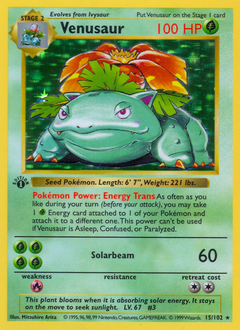
Venusaur
Base Set · 15/102 · English
- You paid
- $320.00
- Market value today
- $480.00
- Unrealised margin
- +50.0%
Cardinal keeps this side of every card up to date.
- Market
- $480.00
- You pay
- $320.00
- Projected net
- $110.08
- ROI
- 34.4%
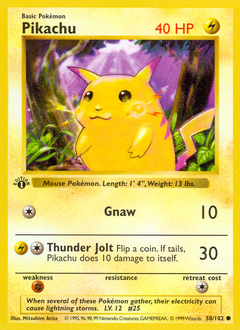
Pikachu
Base Set · 58/102 · English
- You paid
- $58.00
- Market value today
- $95.00
- Unrealised margin
- +63.8%
Cardinal keeps this side of every card up to date.
- Market
- $95.00
- You pay
- $58.00
- Projected net
- $17.49
- ROI
- 30.2%
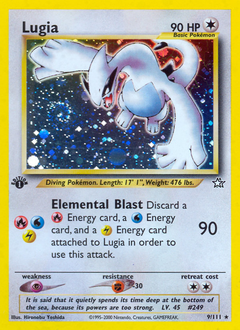
Lugia
Neo Genesis · 9/111 · English
- You paid
- $780.00
- Market value today
- $1,150.00
- Unrealised margin
- +47.4%
Cardinal keeps this side of every card up to date.
- Market
- $1,150.00
- You pay
- $780.00
- Projected net
- $267.15
- ROI
- 34.3%
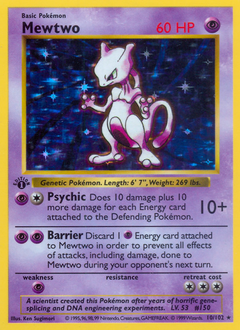
Mewtwo
Base Set · 10/102 · English
- You paid
- $215.00
- Market value today
- $340.00
- Unrealised margin
- +58.1%
Cardinal keeps this side of every card up to date.
- Market
- $340.00
- You pay
- $215.00
- Projected net
- $86.14
- ROI
- 40.1%

Mew ex
151 · 205/165 · English
- You paid
- $26.00
- Market value today
- $42.00
- Unrealised margin
- +61.5%
Cardinal keeps this side of every card up to date.
- Market
- $42.00
- You pay
- $26.00
- Projected net
- $0.68
- ROI
- 2.6%
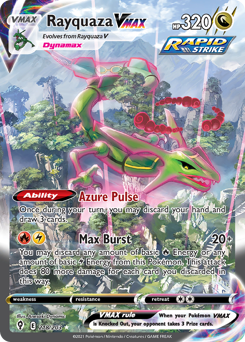
Rayquaza VMAX
Evolving Skies · 218/203 · English
- You paid
- $148.00
- Market value today
- $210.00
- Unrealised margin
- +41.9%
Cardinal keeps this side of every card up to date.
- Market
- $210.00
- You pay
- $148.00
- Projected net
- $33.41
- ROI
- 22.6%

Gengar VMAX
Fusion Strike · 271/264 · English
- You paid
- $355.00
- Market value today
- $520.00
- Unrealised margin
- +46.5%
Cardinal keeps this side of every card up to date.
- Market
- $520.00
- You pay
- $355.00
- Projected net
- $111.92
- ROI
- 31.5%

Iono
Paldea Evolved · 245/193 · English
- You paid
- $160.00
- Market value today
- $245.00
- Unrealised margin
- +53.1%
Cardinal keeps this side of every card up to date.
- Market
- $245.00
- You pay
- $160.00
- Projected net
- $53.64
- ROI
- 33.5%
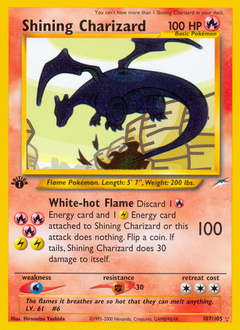
Shining Charizard
Neo Destiny · 107/105 · English
- You paid
- $3,900.00
- Market value today
- $5,400.00
- Unrealised margin
- +38.5%
Cardinal keeps this side of every card up to date.
- Market
- $5,400.00
- You pay
- $3,900.00
- Projected net
- $1,061.40
- ROI
- 27.2%
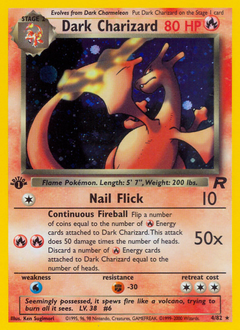
Dark Charizard
Team Rocket · 4/82 · English
- You paid
- $2,050.00
- Market value today
- $3,100.00
- Unrealised margin
- +51.2%
Cardinal keeps this side of every card up to date.
- Market
- $3,100.00
- You pay
- $2,050.00
- Projected net
- $793.10
- ROI
- 38.7%
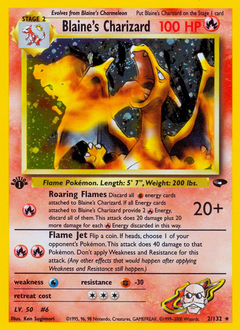
Blaine's Charizard
Gym Challenge · 2/132 · English
- You paid
- $1,720.00
- Market value today
- $2,450.00
- Unrealised margin
- +42.4%
Cardinal keeps this side of every card up to date.
- Market
- $2,450.00
- You pay
- $1,720.00
- Projected net
- $524.45
- ROI
- 30.5%
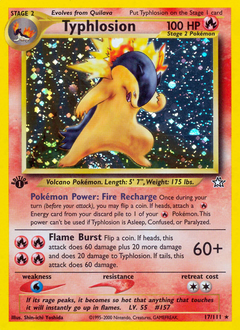
Typhlosion
Neo Genesis · 17/111 · English
- You paid
- $445.00
- Market value today
- $640.00
- Unrealised margin
- +43.8%
Cardinal keeps this side of every card up to date.
- Market
- $640.00
- You pay
- $445.00
- Projected net
- $132.44
- ROI
- 29.8%

Garbodor VMAX
Evolving Skies · 216/203 · English
- You paid
- $84.00
- Market value today
- $88.00
- Unrealised margin
- +4.8%
Cardinal keeps this side of every card up to date.
- Market
- $88.00
- You pay
- $84.00
- Projected net
- -$14.95
- ROI
- -17.8%
Umbreon VMAX
Evolving Skies · 215/203 · English
- You paid
- $1,250.00
- Market value today
- $1,860.00
- Unrealised margin
- +48.8%
Cardinal keeps this side of every card up to date.
- Market
- $0.00
- You pay
- $1,250.00
- Projected net
- $451.06
- ROI
- 36.1%
Charizard
Base Set · 4/102 · English
- You paid
- $1,450.00
- Market value today
- $2,400.00
- Unrealised margin
- +65.5%
Cardinal keeps this side of every card up to date.
- Market
- $2,400.00
- You pay
- $1,450.00
- Projected net
- $748.40
- ROI
- 51.6%
Charizard ex
151 · 199/165 · English
- You paid
- $690.00
- Market value today
- $940.00
- Unrealised margin
- +36.2%
Cardinal keeps this side of every card up to date.
- Market
- $940.00
- You pay
- $690.00
- Projected net
- $163.74
- ROI
- 23.7%
Garchomp ex JP
Paradox Rift · 245/182 · Japanese
- You paid
- $205.00
- Market value today
- $310.00
- Unrealised margin
- +51.2%
Cardinal keeps this side of every card up to date.
- Market
- $310.00
- You pay
- $205.00
- Projected net
- $68.51
- ROI
- 33.4%
Destined Rivals ETB
Scarlet & Violet, sealed
Destined Rivals ETB
Scarlet & Violet, sealed · English
- You paid
- $96.00
- Market value today
- $145.00
- Unrealised margin
- +51.0%
Cardinal keeps this side of every card up to date.
- Market
- $145.00
- You pay
- $96.00
- Projected net
- $25.54
- ROI
- 26.6%
Mega Meganium ex Box
Ascended Heroes, sealed
Mega Meganium ex Box
Ascended Heroes, sealed · English
- You paid
- $52.00
- Market value today
- $78.00
- Unrealised margin
- +50.0%
Cardinal keeps this side of every card up to date.
- Market
- $78.00
- You pay
- $52.00
- Projected net
- $7.84
- ROI
- 15.1%
Giratina VSTAR
Lost Origin · 212/196 · English
- You paid
- $252.00
- Market value today
- $260.00
- Unrealised margin
- +3.2%
Cardinal keeps this side of every card up to date.
- Market
- $260.00
- You pay
- $252.00
- Projected net
- -$24.54
- ROI
- -9.7%
Blastoise
Base Set · 2/102 · English
- You paid
- $400.00
- Market value today
- $620.00
- Unrealised margin
- +55.0%
Cardinal keeps this side of every card up to date.
- Market
- $620.00
- You pay
- $400.00
- Projected net
- $159.02
- ROI
- 39.8%
Venusaur
Base Set · 15/102 · English
- You paid
- $320.00
- Market value today
- $480.00
- Unrealised margin
- +50.0%
Cardinal keeps this side of every card up to date.
- Market
- $480.00
- You pay
- $320.00
- Projected net
- $110.08
- ROI
- 34.4%
Pikachu
Base Set · 58/102 · English
- You paid
- $58.00
- Market value today
- $95.00
- Unrealised margin
- +63.8%
Cardinal keeps this side of every card up to date.
- Market
- $95.00
- You pay
- $58.00
- Projected net
- $17.49
- ROI
- 30.2%
Lugia
Neo Genesis · 9/111 · English
- You paid
- $780.00
- Market value today
- $1,150.00
- Unrealised margin
- +47.4%
Cardinal keeps this side of every card up to date.
- Market
- $1,150.00
- You pay
- $780.00
- Projected net
- $267.15
- ROI
- 34.3%
Mewtwo
Base Set · 10/102 · English
- You paid
- $215.00
- Market value today
- $340.00
- Unrealised margin
- +58.1%
Cardinal keeps this side of every card up to date.
- Market
- $340.00
- You pay
- $215.00
- Projected net
- $86.14
- ROI
- 40.1%
Mew ex
151 · 205/165 · English
- You paid
- $26.00
- Market value today
- $42.00
- Unrealised margin
- +61.5%
Cardinal keeps this side of every card up to date.
- Market
- $42.00
- You pay
- $26.00
- Projected net
- $0.68
- ROI
- 2.6%
Rayquaza VMAX
Evolving Skies · 218/203 · English
- You paid
- $148.00
- Market value today
- $210.00
- Unrealised margin
- +41.9%
Cardinal keeps this side of every card up to date.
- Market
- $210.00
- You pay
- $148.00
- Projected net
- $33.41
- ROI
- 22.6%
Gengar VMAX
Fusion Strike · 271/264 · English
- You paid
- $355.00
- Market value today
- $520.00
- Unrealised margin
- +46.5%
Cardinal keeps this side of every card up to date.
- Market
- $520.00
- You pay
- $355.00
- Projected net
- $111.92
- ROI
- 31.5%
Iono
Paldea Evolved · 245/193 · English
- You paid
- $160.00
- Market value today
- $245.00
- Unrealised margin
- +53.1%
Cardinal keeps this side of every card up to date.
- Market
- $245.00
- You pay
- $160.00
- Projected net
- $53.64
- ROI
- 33.5%
Shining Charizard
Neo Destiny · 107/105 · English
- You paid
- $3,900.00
- Market value today
- $5,400.00
- Unrealised margin
- +38.5%
Cardinal keeps this side of every card up to date.
- Market
- $5,400.00
- You pay
- $3,900.00
- Projected net
- $1,061.40
- ROI
- 27.2%
Dark Charizard
Team Rocket · 4/82 · English
- You paid
- $2,050.00
- Market value today
- $3,100.00
- Unrealised margin
- +51.2%
Cardinal keeps this side of every card up to date.
- Market
- $3,100.00
- You pay
- $2,050.00
- Projected net
- $793.10
- ROI
- 38.7%
Blaine's Charizard
Gym Challenge · 2/132 · English
- You paid
- $1,720.00
- Market value today
- $2,450.00
- Unrealised margin
- +42.4%
Cardinal keeps this side of every card up to date.
- Market
- $2,450.00
- You pay
- $1,720.00
- Projected net
- $524.45
- ROI
- 30.5%
Typhlosion
Neo Genesis · 17/111 · English
- You paid
- $445.00
- Market value today
- $640.00
- Unrealised margin
- +43.8%
Cardinal keeps this side of every card up to date.
- Market
- $640.00
- You pay
- $445.00
- Projected net
- $132.44
- ROI
- 29.8%
Garbodor VMAX
Evolving Skies · 216/203 · English
- You paid
- $84.00
- Market value today
- $88.00
- Unrealised margin
- +4.8%
Cardinal keeps this side of every card up to date.
- Market
- $88.00
- You pay
- $84.00
- Projected net
- -$14.95
- ROI
- -17.8%
Umbreon VMAX
Evolving Skies · 215/203 · English
- You paid
- $1,250.00
- Market value today
- $1,860.00
- Unrealised margin
- +48.8%
Cardinal keeps this side of every card up to date.
- Market
- $1,860.00
- You pay
- $1,250.00
- Projected net
- $451.06
- ROI
- 36.1%
Charizard
Base Set · 4/102 · English
- You paid
- $1,450.00
- Market value today
- $2,400.00
- Unrealised margin
- +65.5%
Cardinal keeps this side of every card up to date.
- Market
- $2,400.00
- You pay
- $1,450.00
- Projected net
- $748.40
- ROI
- 51.6%
Charizard ex
151 · 199/165 · English
- You paid
- $690.00
- Market value today
- $940.00
- Unrealised margin
- +36.2%
Cardinal keeps this side of every card up to date.
- Market
- $940.00
- You pay
- $690.00
- Projected net
- $163.74
- ROI
- 23.7%
Garchomp ex JP
Paradox Rift · 245/182 · Japanese
- You paid
- $205.00
- Market value today
- $310.00
- Unrealised margin
- +51.2%
Cardinal keeps this side of every card up to date.
- Market
- $310.00
- You pay
- $205.00
- Projected net
- $68.51
- ROI
- 33.4%
Destined Rivals ETB
Scarlet & Violet, sealed
Destined Rivals ETB
Scarlet & Violet, sealed · English
- You paid
- $96.00
- Market value today
- $145.00
- Unrealised margin
- +51.0%
Cardinal keeps this side of every card up to date.
- Market
- $145.00
- You pay
- $96.00
- Projected net
- $25.54
- ROI
- 26.6%
Mega Meganium ex Box
Ascended Heroes, sealed
Mega Meganium ex Box
Ascended Heroes, sealed · English
- You paid
- $52.00
- Market value today
- $78.00
- Unrealised margin
- +50.0%
Cardinal keeps this side of every card up to date.
- Market
- $78.00
- You pay
- $52.00
- Projected net
- $7.84
- ROI
- 15.1%
Giratina VSTAR
Lost Origin · 212/196 · English
- You paid
- $252.00
- Market value today
- $260.00
- Unrealised margin
- +3.2%
Cardinal keeps this side of every card up to date.
- Market
- $260.00
- You pay
- $252.00
- Projected net
- -$24.54
- ROI
- -9.7%
Blastoise
Base Set · 2/102 · English
- You paid
- $400.00
- Market value today
- $620.00
- Unrealised margin
- +55.0%
Cardinal keeps this side of every card up to date.
- Market
- $620.00
- You pay
- $400.00
- Projected net
- $159.02
- ROI
- 39.8%
Venusaur
Base Set · 15/102 · English
- You paid
- $320.00
- Market value today
- $480.00
- Unrealised margin
- +50.0%
Cardinal keeps this side of every card up to date.
- Market
- $480.00
- You pay
- $320.00
- Projected net
- $110.08
- ROI
- 34.4%
Pikachu
Base Set · 58/102 · English
- You paid
- $58.00
- Market value today
- $95.00
- Unrealised margin
- +63.8%
Cardinal keeps this side of every card up to date.
- Market
- $95.00
- You pay
- $58.00
- Projected net
- $17.49
- ROI
- 30.2%
Lugia
Neo Genesis · 9/111 · English
- You paid
- $780.00
- Market value today
- $1,150.00
- Unrealised margin
- +47.4%
Cardinal keeps this side of every card up to date.
- Market
- $1,150.00
- You pay
- $780.00
- Projected net
- $267.15
- ROI
- 34.3%
Mewtwo
Base Set · 10/102 · English
- You paid
- $215.00
- Market value today
- $340.00
- Unrealised margin
- +58.1%
Cardinal keeps this side of every card up to date.
- Market
- $340.00
- You pay
- $215.00
- Projected net
- $86.14
- ROI
- 40.1%
Mew ex
151 · 205/165 · English
- You paid
- $26.00
- Market value today
- $42.00
- Unrealised margin
- +61.5%
Cardinal keeps this side of every card up to date.
- Market
- $42.00
- You pay
- $26.00
- Projected net
- $0.68
- ROI
- 2.6%
Rayquaza VMAX
Evolving Skies · 218/203 · English
- You paid
- $148.00
- Market value today
- $210.00
- Unrealised margin
- +41.9%
Cardinal keeps this side of every card up to date.
- Market
- $210.00
- You pay
- $148.00
- Projected net
- $33.41
- ROI
- 22.6%
Gengar VMAX
Fusion Strike · 271/264 · English
- You paid
- $355.00
- Market value today
- $520.00
- Unrealised margin
- +46.5%
Cardinal keeps this side of every card up to date.
- Market
- $520.00
- You pay
- $355.00
- Projected net
- $111.92
- ROI
- 31.5%
Iono
Paldea Evolved · 245/193 · English
- You paid
- $160.00
- Market value today
- $245.00
- Unrealised margin
- +53.1%
Cardinal keeps this side of every card up to date.
- Market
- $245.00
- You pay
- $160.00
- Projected net
- $53.64
- ROI
- 33.5%
Shining Charizard
Neo Destiny · 107/105 · English
- You paid
- $3,900.00
- Market value today
- $5,400.00
- Unrealised margin
- +38.5%
Cardinal keeps this side of every card up to date.
- Market
- $5,400.00
- You pay
- $3,900.00
- Projected net
- $1,061.40
- ROI
- 27.2%
Dark Charizard
Team Rocket · 4/82 · English
- You paid
- $2,050.00
- Market value today
- $3,100.00
- Unrealised margin
- +51.2%
Cardinal keeps this side of every card up to date.
- Market
- $3,100.00
- You pay
- $2,050.00
- Projected net
- $793.10
- ROI
- 38.7%
Blaine's Charizard
Gym Challenge · 2/132 · English
- You paid
- $1,720.00
- Market value today
- $2,450.00
- Unrealised margin
- +42.4%
Cardinal keeps this side of every card up to date.
- Market
- $2,450.00
- You pay
- $1,720.00
- Projected net
- $524.45
- ROI
- 30.5%
Typhlosion
Neo Genesis · 17/111 · English
- You paid
- $445.00
- Market value today
- $640.00
- Unrealised margin
- +43.8%
Cardinal keeps this side of every card up to date.
- Market
- $640.00
- You pay
- $445.00
- Projected net
- $132.44
- ROI
- 29.8%
Garbodor VMAX
Evolving Skies · 216/203 · English
- You paid
- $84.00
- Market value today
- $88.00
- Unrealised margin
- +4.8%
Cardinal keeps this side of every card up to date.
- Market
- $88.00
- You pay
- $84.00
- Projected net
- -$14.95
- ROI
- -17.8%
- $1,860.00
Estimated market value
6 sold comps, weighted
- $1,302.00
Cash target at 70%
$1,860.00 x 70%
- $1,488.00
Trade target at 80%
$1,860.00 x 80%
- $1,250.00
Price on the table
- 67.2%
As a share of market
$1,250.00 / $1,860.00
- TARGET BUY
Assessment
Bands come from your 70% cash / 100% sale settings.
- $1,860.00
Target sale price
- $610.00
Less cost basis
$1,860.00 − $1,250.00
What you paid for it
- $463.06
Less trade me fee at 7.9%
$610.00 − $146.94
- $451.06
Less shipping and packaging
$463.06 − $12.00
- $451.06
Projected net profit
- 24.3%
Margin
$451.06 / $1,860.00
Net profit as a share of what the buyer paid
- 36.1%
Return on investment
$451.06 / $1,250.00
Net profit as a share of the cash you had tied up
Worked example using the default 70% cash / 80% trade / 100% sale settings and Trade Me fees. Change the percentages and every line moves with them.
Search, confirm, buy and sell, with all of it written down.
It takes five steps to get from a card in your hand to a number in your books.
Real-time dashboards on the numbers you actually care about.
Monthly sales, revenue, profit and the value of everything still on your shelves — recalculated as you buy, trade and sell. These are the real charts from Cardinal, loaded with demo figures.
- Revenue and units sold, month by month, straight off recorded sales.
- Net profit after fees and the margin behind it, not just top line.
- Inventory value against cost tied up, so you can see the spread you're sitting on.
- Where the money sits by category, and which channel is actually earning.
Illustrative demo figures
Revenue by month
$23,290.19 across 89 sales
Net profit and margin
$6,322.20 after fees · 27% margin
Inventory value
$16,306.66 at market · $10,960.60 cost tied up
Where the money sits
Capital invested by category
Revenue by channel
Where the sales actually happen
The spreadsheet isn't free. You just pay for it in margin.
Pricing a card
You go off a number you half-remember from a sale two months ago.
Sold comps, TCGplayer and Cardmarket are blended into one NZD figure with a confidence rating.
Making an offer
You do the maths out loud and round it in their favour.
Cash and trade targets are calculated off your own percentages before you speak.
Japanese stock
You guess, or you skip it entirely.
Japanese sets are matched to live feeds and shown under an English name you can search.
Closing a trade
Two piles on the table and a calculator app.
Both sides recalculate live, settle to the dollar, and the customer view hides your margin.
Taking payment
Cash, or a card link with a fee that eats the deal.
One QR code covers the whole basket, cash and card can be split, and the fee is surcharged.
Month end
An evening spent reconciling rows that were already wrong.
Profit, margin, ROI, capital deployed and slow movers have already been counted.
The questions vendors ask us first.
You've been pitched software before, so here is what Cardinal does and doesn't do.
- Does it set my prices for me?
- No. It shows you what cards actually sold for, where each number came from and how confident it is. You set the buy, trade and sale percentages, and you can override any value on any card, the override is kept, with a note of who changed it and when.
- Can I check the comps myself?
- Every value opens into the sold listings behind it, eBay sold comps, TCGplayer market, Cardmarket and Trade Me, with dates and prices. Tap a comp and you land on the actual listing. If a source is stale, it says so and counts for less.
- Does it grade cards or promise PSA 10s?
- No. Centering and surface hints from a photo are a rough first look to help you sort submission candidates, never a prediction of a grade. Grades come from graders.
- Will it list my stock or compete with me?
- Cardinal is not a marketplace. It doesn't list, bid, message buyers or take a cut of your sales, and your customers stay yours.
- What about scanning, do I have to trust the match?
- The camera is only a search shortcut. It offers candidates from the catalogue, and nothing enters your inventory until you confirm the set, number, language and condition yourself.
- Can I get my data out?
- Yes. Inventory, purchases, sales and costs export to CSV whenever you want, and it costs nothing to leave.
Plans are still being set with the vendors road-testing it, but it's a flat subscription , never a cut of your sales. See what it costs.
Every number has a receipt behind it.
You can open any valuation and see exactly where it came from.
Where the number came from
Every inventory row shows the source behind its value, which matcher found it and how long ago it was refreshed. If it's stale, it says so.
The arithmetic, written out
Open the calculation trail on any card and you get the actual sum: comps in, weighting applied, condition multiplier, buy target, fees, net profit, ROI.
Who did what, and when
Purchases, price changes, sales and payment status changes are logged with a timestamp and the person who made them, so nobody has to remember.
From the blog
What we're seeing in the market, written from behind the table.
Built by people who actually buy, sell and trade.
Cardinal started because we wanted better tools for running our own collectible business. We wanted to know what we owned, what we'd paid, what it was worth and whether a deal made sense before shaking hands. Every feature here earned its place at a table.
Make better deals with your own stock.
Know what you own, what it's worth and what you're making on it.